Remove Permissions If App Is Unused on Android
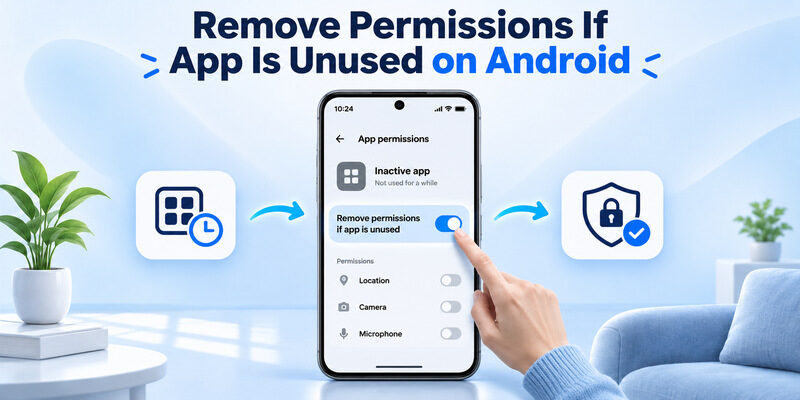
Short answer: On supported Android versions, open the app’s settings and use Pause app activity if unused or Remove permissions if app is not used.
An app that asks again after months of inactivity may have had its permissions reset automatically. Android Help and Google Play Protect document the two labels and explain that apps may need permissions again after an automatic reset.
The “remove permissions if app is unused” option can restore a smaller permission footprint after inactivity.
Use Settings search if the manufacturer groups unused apps elsewhere. Confirm you selected the installed app and not a similarly named system service.
Find the Unused App Switch for Remove Permissions If App Is Unused
Find the unused app setting
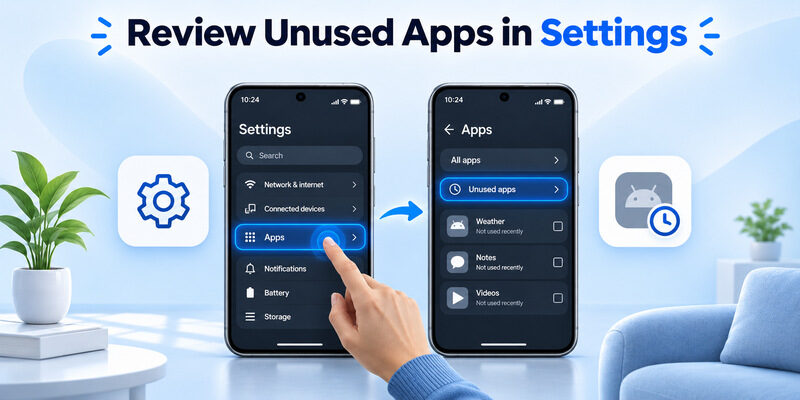
Open the app’s information page from Settings → Apps. Look for unused app settings or a switch such as Pause app activity if unused. On supported versions, the wording can refer to removing permissions if the app is not used. Review the actual switch for the app you care about. If remove permissions if app is unused still gives the wrong result, return to this comparison before changing a second setting. If you occasionally use a phone to control your television, compare TV remote apps for Android and check which permissions support the features you need.
Compare access on the same device
Open the app after the period when the issue normally returns and repeat only its main task. Record which permission prompt actually appears. If the access was removed after inactivity, review the unused-app control for that app and whether a targeted exception fits the way you use it.
Use the supported app with the phone and television on the same reachable home network. Keep the TV awake for a fresh scan and verify the entry by testing a direction. If the phone still cannot find a TV that can stream, check guest isolation or the app’s discovery access. Compare this result with the original symptom before resetting remove permissions if app is unused.
Try a second installed service on the TV and compare the affected app on another device if possible. An issue confined to one app can depend on the service or account. If every TV app fails, review the television’s active network and use its connection test before changing app settings.
Test the simple chain first and label the source and display ports used. If you add a switch, splitter or receiver, compare the same cable direction, input and command after adding it. Check the intermediate device’s documentation for which port passes control or return audio when those features matter.
Read more: Bluetooth Permissions iPhone Guide for Apps and Accessories
Decide When to Leave Auto Reset On
| Feature or step | What to verify |
|---|---|
| Per-app access | Review the permission on the exact app |
| System setting | Check the radio or other system-wide control |
| Accessory or television | Confirm power and the documented connection |
| App action | Retest the feature that requested access |
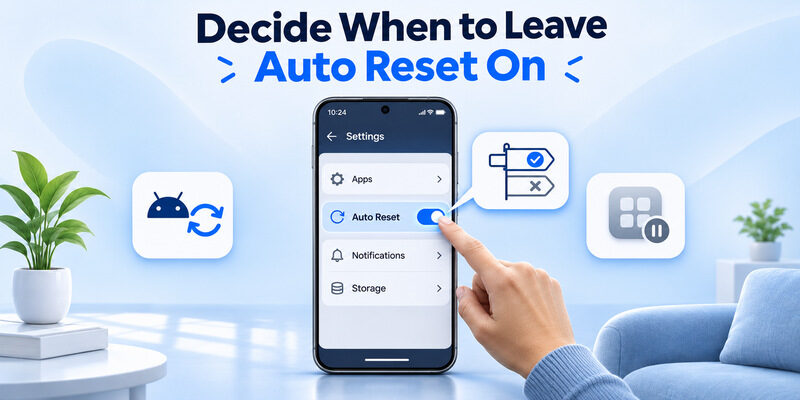
Leave the setting on when you rarely use the app and do not need it to retain special access. A remote app used occasionally may need nearby or local permissions again when you return. Grant the specific permission for the feature you are testing. In your notes on remove permissions if app is unused, include which device actually responded.
If you rely on the app for a recurring task, check how your phone handles unused apps and whether an individual exception is available. Keep your exception limited to that app. If you are returning to a remote app after a long break, see how to set up a TV remote app on Android and review its connection requirements.
Open the information page for the exact app. A system permission list shows access grouped by resource, while an app’s page groups the resources used by that installed copy. Make one change and immediately open the affected feature to see whether the new access is enough for the task. If the result is intermittent, include the starting state in your notes on remove permissions if app is unused.
If an app retains its signed-in view but asks again for camera or location, check for an automatic permission reset. Run only the feature you need and grant the appropriate scope when prompted. Verify what Android removed through the app’s information page or the available unused-app view.
Use a phone or laptop on the same network for comparison. Make sure its result comes from Wi-Fi and that the network name is the one used by the television. If both lose internet access together, check router and service status. If only the TV is affected, use its own connection screen.
Decide which capability is essential before comparing listings. Check the supported control function and the video mode in the official documents for the exact item. When it arrives, use the source and connection you plan to keep, and test your actual daily settings while a return is possible.
Read more: Bluetooth Permissions Android Guide for Nearby Devices
Restore Permissions After a Reset
Restore the permissions needed for one task
Open the app and try the function you need. If the system asks to use a camera, microphone or nearby device, review why it is requested. Grant it for the test where appropriate and then check whether the function works. Keep the result with the model details when reviewing remove permissions if app is unused.
Test the change in the app
Avoid granting several unrelated permissions just to get past setup. Test the requested action after each change so you know which access was necessary.
Use a known accessory in its documented setup mode. Check whether the phone sees it, whether the correct app can select it, and whether a basic supported action succeeds. These stages give you separate evidence. If the accessory is already connected somewhere else, follow its instructions for switching the connection. Confirm the same result after returning to your usual setup for remove permissions if app is unused.
Have the current network name and credentials ready if you remove saved settings. Prefer the documented network-only procedure when that addresses the problem. After reconnecting, verify one streaming feature and one local feature if you rely on both. The network reset can restore one path while a separate pairing still needs attention.
Choose a command the receiving device documents and that produces an observable result. A visible input banner or display transition is a good starting point. Compare the receiver and display if you use both. Test standby only after you understand the result with both devices already awake. For a practical example, learn how to control a Samsung TV with your phone and review the permissions requested by SmartThings.
Review Unused Apps in Settings
Understand what Android changes
A supported unused-app feature can remove access granted to an inactive app. Some versions also limit app activity. When you return to the app, a feature may ask for permission again. This is different from uninstalling the application. Use the same starting state when testing remove permissions if app is unused again.
Check access before pairing
Do not treat an automatic reset as evidence that every app setting or account was erased. Open the app first and see which feature asks for access. If you use Amazon’s app, follow the Fire TV Stick remote app setup guide and test navigation after restoring the required access.
A privacy report can show activity after a permission was used. Review it after you reproduce the task and match the timestamps to the actual app. Then use the app’s access settings to decide whether it should keep the relevant permission. A report and the current switches describe different things. Use a single change to identify which part of remove permissions if app is unused affects the result.
Find the equivalent resource name on the version you use. A settings search can locate the permission category, but opening the app’s own info page confirms that you are editing the installed app. Keep track of the option you changed so you can restore it after testing.
Review the access again after completing setup. Keep the permission needed for a feature you actually use, and test a core action before deciding whether a change is suitable. If you use another app for the same accessory or television, review that app separately.
Use the television’s home screen to identify the built-in platform. If a connected streamer is displaying its home page, use the TV remote or physical input controls to return to the native menus. Record the television model before using a support page that assumes a certain software generation.
Read more: App Permissions Android Guide for Every App
Check Play Protect on Older Phones
Check Play Protect where supported
Google documents permission reset controls under Play Protect on some supported phones. If the app settings do not match current Android instructions, consult Google’s guide and the manufacturer’s support for your version. Use the switch you actually see. Before you make another change to remove permissions if app is unused, repeat the comparison with the equipment you normally use.
On a phone that provides a Play Protect list of permissions removed for unused apps, compare that list with the app’s current settings. Restore only what the app needs to perform the task. For another type of controller, learn which permissions for infrared remote apps may relate to the features you use.
Confirm what the TV needs
A managed device can use different policies. If the option is restricted by your organization, ask the administrator which settings apply. Check the feature against your model’s documentation for remove permissions if app is unused.
Keep the television awake and open the app’s device picker. Verify the intended home network on both devices. A guest network may offer internet access while isolating its clients from one another. If another compatible phone sees the television, compare permissions and the active network on the original phone.
If the app is installed in a managed profile, an administrator may control its availability or access. Open the app entry belonging to the profile you use. Before making an exception, verify that inactivity caused the prompt. A router or TV change needs a network comparison instead.
Read more: App Permissions iPhone Guide for Camera Location and Local Network
Distinguish Hibernation From Uninstalling
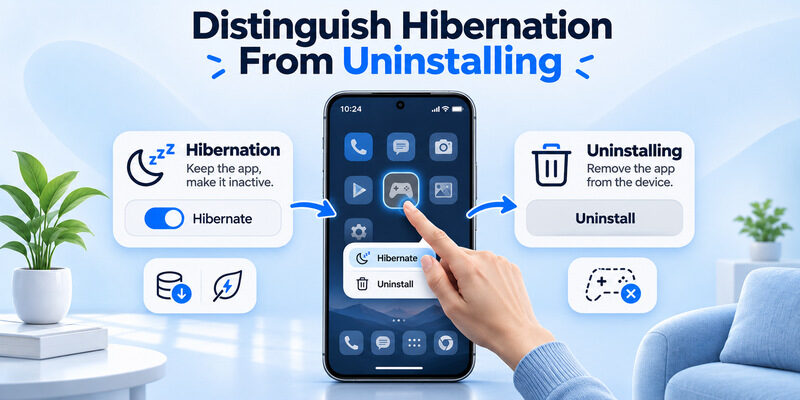
Distinguish removal from app data changes
An unused-app permission reset revokes access rather than acting like a manual clear-storage command. Check whether the app still shows its settings and then use the relevant feature. If the app asks to sign in, that may have another cause. When you check remove permissions if app is unused after an update, start with the same baseline.
Test the action that failed
Keep a known working physical controller available while restoring a remote app. If the television is offline, permissions alone will not bring it back online. If the inactive app controls a streaming box, check the Android TV box remote app setup and keep its system components separate from the phone app.
If a prompt appears on startup, close it and reopen the exact feature if the app allows that. This helps identify what action caused the request. Where the system offers a limited or while-in-use choice, compare it with the documented need and test the feature with that narrower scope. If you need help with remove permissions if app is unused, give support the model and the result of this check.
After Android removes an unused app’s permissions, the application can still appear in the launcher. If its account and settings are present when reopened, use App info to inspect the specific resource it lost. If the phone offers a different management action such as archiving or uninstalling, review the stated effects before choosing it. Those actions can affect installation and stored information in different ways.
Use automatic addressing as the initial comparison when the home network normally uses it. Record any deliberately configured values before changing them. If multiple devices on the same network also fail, use the router or internet service status to narrow the problem before entering manual values on the TV.
Confirm the full model and regional suffix where the manufacturer uses one. Read its input or system-control section and look for the feature by name. Product pages commonly highlight gaming picture modes. The manual is a better place to verify which port exposes linked power or input control.
Make an Exception for a Needed App
Keep a narrow exception for recurring use
Open the exact app’s App info page and look for the unused-app option. If you rely on a feature periodically and Android offers an exception, change it for that app alone. Open the app, restore access for the feature it needs, and test it now. A separate profile or copy of the app may have its own settings. A repeatable result can help when comparing remove permissions if app is unused across firmware versions.
Compare the available choices
Use a calendar interval you recognize for testing. Opening an app occasionally and granting permission are separate actions.
Choose the scope offered by the operating system for the specific feature. A scanner can require the camera while a voice feature can require the microphone. Test the function that made the request immediately after changing its setting. Leave unrelated resource settings as they were during that trial. Verify the result in the setup you actually use for remove permissions if app is unused.
If a supported accessory remains paired and works for one task, use that as a baseline. Open its companion app and run the scan or control action separately. Check the the remove permissions if app is unused before forgetting a connection that already works. Re-pair only if the accessory instructions call for it.
Read more: Definitive Technology Soundbar Remote Replacement and Setup
Test the Feature Again
| Example result | First comparison |
|---|---|
| An occasional remote app suddenly asks again | Open the app and try the function you need. |
| The unused app switch has a different name | Open the app’s information page from Settings → Apps. |
| Play Protect lists apps with removed permissions | Google documents permission reset controls under Play Protect on some supported phones. |
| The app still has saved data | An unused-app permission reset revokes access rather than acting like a manual clear-storage command. |
Test the original use again
If TV discovery stopped, check the app’s permission, intended home network, and TV awake state. Compare with a known working control and run a fresh scan. Then select the correct TV and move the focus one step. Keep the result with the settings you use for remove permissions if app is unused.
Review access after testing
If the problem persists after the specific permission is restored, check the connection and compatibility independently. Do not disable unused app settings for every installed app.
Check whether the phone has a work profile, management configuration or restrictions. A managed copy of an app can have a separate badge and a separate permission page. If you are comparing two phones, record the installed app version and profile as well as the operating system shown on each. Check whether remove permissions if app is unused changes the feature that originally prompted the test.
Pair while you can see the television screen and identify the intended device by its actual name. If a code appears, compare it with the phone’s selected entry. Verify one direction on the television before testing voice or playback, which may depend on a separate setting or feature.
Open the television’s own network screen and select the intended home network. A saved name can stay in the list while the connection is inactive. Compare the current router name and password if a replacement or configuration change occurred. Check which network the television shows as connected after joining.
Read more: Should Smart TV Be on IoT Network?
Troubleshoot a Missing Switch
Check why the unused-app switch is absent
Verify Android version and open the app’s full information page. The name and location can differ by manufacturer, and managed apps can have settings controlled by policy. If Google Play Protect exposes removed permissions on the phone, review its list as another check. To narrow a problem involving remove permissions if app is unused, observe which step first changes the result.
Open the relevant feature
When a device administrator controls the setting, use the administrator’s documented process. Keep the relevant access limited to the feature the app needs.
Compare another device only after confirming that the accessory or television itself responds to its physical controls. If one phone fails and another works, review the failed phone’s app settings. If both fail, check the target’s own settings, network connection or compatibility before restoring more access. Retest after restoring the previous setting to see which part of remove permissions if app is unused changed.
With a compatible television awake on your home network, use to try a direction key from an iPhone. Review the permission associated with TV discovery if the set does not appear, then check that the phone can reach the television.
Check whether a second device sees the same network in the room. If the television offers manual entry for a hidden network, use the exact name and the security details in the router’s settings. If the signal is weak on multiple devices, examine placement and router coverage before resetting the TV.
Write down the direct connection that works and the first changed connection that fails. Include the actual equipment model, selected input and observed behavior. For a report to a manufacturer, specify the one command or display mode you need and whether either changes when the intermediate unit is removed.
Final Thoughts
Start with the simplest comparison. Check the actual App info screen and Google’s guide for the phone’s Android version. Review the unused-app switch before changing it.
For TV remote discovery, confirm both network and app access. If the television is offline, use its physical control and restore its connection before scanning. Keep the model number and the working settings for remove permissions if app is unused handy.